(And how they affected me)
Celia – 1970
On August 3rd, we observed the 52nd anniversary of Hurricane Celia which damaged or destroyed most of the Coastal Bend. This year the National Weather Service upgraded Celia to a Category 4 storm. This validated the opinion of about everyone who was here at the time and experienced its terrifying wind bursts.
I missed Celia. I was in Vietnam at the time and read about it in the Stars & Stripes newspaper. But even 6 months later, when I returned, the effects of Celia were still visible all over the area. Rebuilding Corpus Christi coincided with a growth spurt in Texas driven by a boom in oil exploration activity.
My employer, Central Power & Light, was a small electric utility and was not prepared for the new world coming. Old methods of planning for growth were no longer adequate. I was given an opportunity to participate and help develop new methods and technology. This coincided with new technology driven by the recently invented microprocessor. A whole new set of engineering skills was required. And I was able to grow with it. I became the local expert in the new field of Distribution Planning.
Hurricanes, like Celia, are devastating to the area they strike bringing destruction, pain and suffering to those who live there. Communities that are in decline or not growing may be damaged irrevocably.
Hurricanes also bring opportunity. The influx of insurance money, FEMA grants and other financial aid can generate huge growth as the community rebuilds. Corpus Christi was one of those. Recovery brought new construction and growth. Old and obsolete facilities were replaced by new and modern ones.
The opportunity for a young engineer, just starting a career, was great.
.
Tropical Storm/ Hurricane List
| 1900 | Galveston |
| 1919 | Corpus Christi |
| 1961 | Carla |
| 1967 | Beulah |
| 1970 | Celia |
| 1971 | Fern |
| 1978 | Amelia |
| 1980 | Allen |
| 1999 | Bret |
| 2004 | Ivan (Cruise)? |
| 2005 | Rita |
| 2008 | Dolly |
| 2008 | Ike |
| 2017 | Harvey |
| 2020 | Hanna |
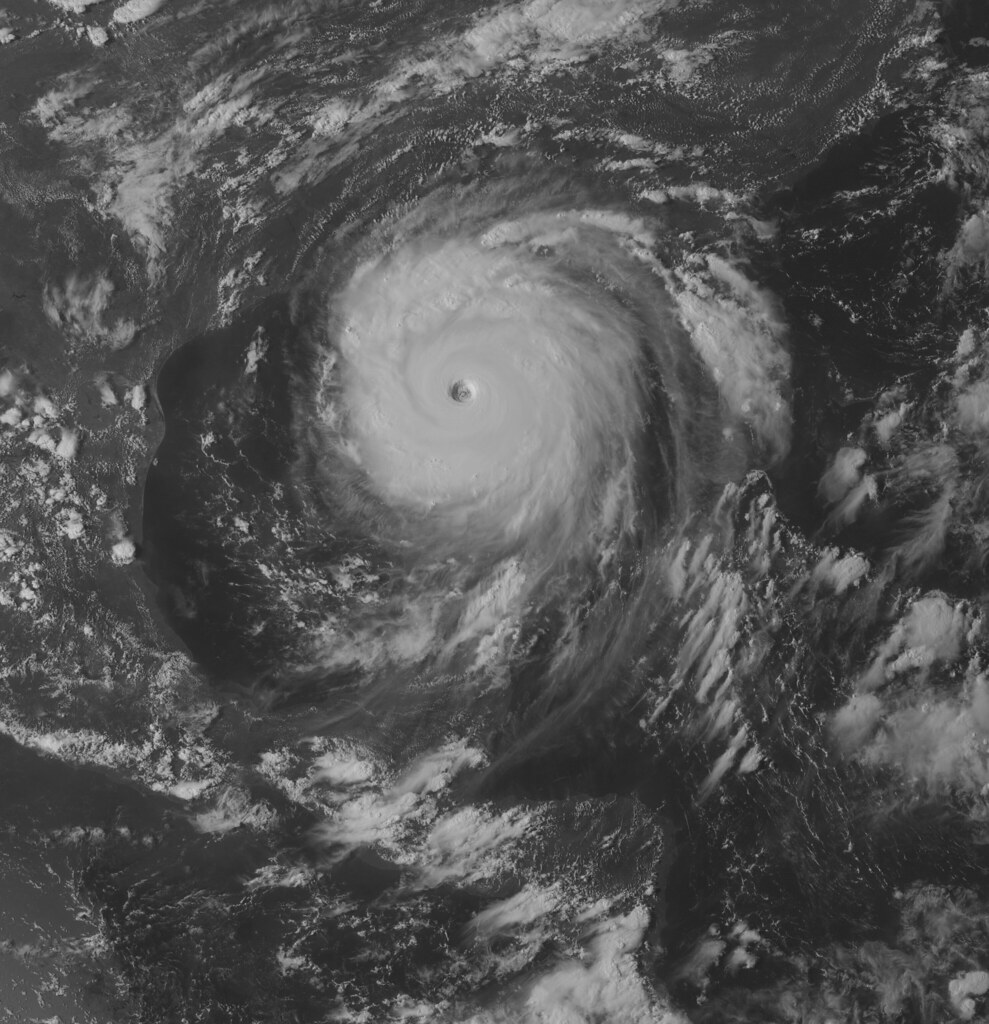
Tropical Storm Fern (1971)
T.S. Fern hit Corpus Christi a year after Celia. It was a small storm, of no particular significance other than it was my first as a utility employee.
Its effect on my fellow employees was profound. Their memories of Celia were fresh. I was working in the Home Office building at the time. When it was announced that CPL employees could go home to prepare, I never saw a building empty so fast.
It was the first time I experienced the eye of a storm. Wind and rain squalls one minute; stars visible for a few minutes the next; followed by wind and rain again.
Hurricane Allen (1980)
August 10 was the 42nd anniversary of Hurricane Allen. At the time, it was the biggest and most powerful hurricane ever to enter the Gulf of Mexico. It covered the entire Gulf of Mexico from Florida to Texas and from the Yucatan of Mexico to the coast of Louisiana. Warnings of possible catastrophic damage led to the second mass evacuation of coastal cities in Texas history. (The first was the “Great Run out Scrape” following the fall of the Alamo in 1836.)
Fortunately, Allen stalled offshore for several hours. This was not good for the Texas coast as Allen’s record high storm surge over-ran much of the low-lying terrain. But it was good for inland areas because its circulation began ingesting hot, dry air from an ongoing Texas heat wave which began killing its strength.
When it finally came ashore, it landed at the best possible location, Kenedy county which is the least populated area of the Texas coast. In Corpus Christi, we got winds of 90-100 mph and not the 150 mph winds near its center. Damage was bad but not catastrophic. Downtown had a seawall which protected it from the storm surge but not North Beach which was buried under 12-14 feet of water. Only by the hurricane of 1919 was worse.
Hurricane Allen was another learning experience for me. I supervised the operations of Corpus Christi District and had responsibility for directing recovery efforts. It was my first experience helping to manage the large influx of people and material that came to help Corpus Christi recover. It was a period of working “can to can’t” days and of learning how to pace oneself, learning my personal limits and knowing when to ask for help. It was a long week. The storm hit on a Friday night and by the following Saturday we had restored service to everyone who could take service. It was the company’s best restoration ever up to that date.
Hurricane Harvey (2017)
Yesterday was the 5th anniversary of Hurricane Harvey striking the middle Texas coast, it was the worst storm since Celia in 1970. Like Celia, it approached the coast as an average hurricane and was expected to cause serious damage but well-prepared people in safe locations should be able to ride out with at most some inconvenience.
Instead, like Celia, it exploded just before landfall into a major Category 4 hurricane and caused major damage to the coastal communities east of Corpus Christi: especially the Rockport area,

This was my first experience as a “civilian” not working for CPL/AEP. In the past, I would be riding out the storm at a company facility full of communications equipment and continuously monitoring the storm’s status and progress. This time, I would be at home with only the television and internet for information.
Harvey was not supposed to seriously threaten our house, so we decided to ride it out at home. At about 5pm on Friday I was watching the news on TV when the power went out. It would stay out until Tuesday morning. Still, there was no indication of anything serious. My cell phone still worked so I began monitoring the situation on it. I had several battery powered devices. The wife and dogs went to bed, but I decided to stay up and monitor things. Sometime around 10 pm, the radar and satellite images on my phone began to show rapid intensification. Like Celia, Harvey exploded into a major hurricane. All night and into the early morning hours I listened to the wind blowing. The wind was mostly out of the north. I could tell because the garage doors were taking a beating. I was concerned because most residential home damage in Hurricane Andrew was caused by garage door failure. It was a long night, but by morning it was obvious that we had missed the worst of it. I began to fear for my friends living on the east side of Corpus Christi Bay.
We were fortunate to have only minor damage. Our area had no electricity for 4 days. Since the hurricane was east of us and continued toward Houston, we had a steady north wind which kept the temperature moderate considering it was the middle of August. We were incredibly lucky.
Not so our neighbors to the east. Rockport, Lamar, Bayside and towns as far inland as Woodsboro suffered major damage. At least the Coastal Bend was spared the catastrophic flooding east Texas, especially Houston, suffered.

 Musings by Butch