
When I went to work for Central Power & Light in 1969, I had a choice of two computer system available for engineering studies. The first was the IBM 360 mainframe which occupied most of the 2nd Floor of the Home Office building. The 2nd was a “timeshare” system which used teletype technology to connect to a G. E. computer center. Both were time consuming and often frustrating to use.
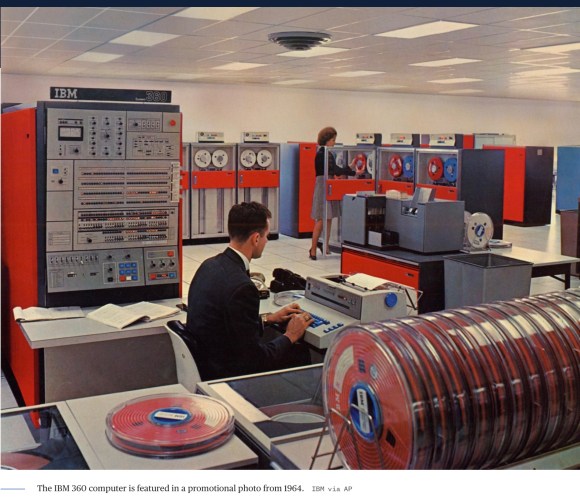
With both systems, I began by outlining the problem using a “flow chart” or some other technique for developing the step-by-step instructions required to solve the problem. Next, I wrote out those steps in a programing language such as Fortran, Basic or Cobol on special coding paper sheets. If I was using the company’s “mainframe” computer, I would give the coding sheets to a keypunch operator who, using a “keypunch machine”, would generate a deck of IBM cards. The card deck would then be submitted to a computer operator who would schedule a time to run my program. A day or two later (depending on the business needs of the accounting department which had priority on computer use) I would get the results back. Usually the program “bombed” or didn’t run the first time or two. Any error, no matter; how insignificant, would cause the program to stop running. I would fix the mistake and try again. For large or complex problems, this could take several attempts.
The “G. E. Timeshare” system was similar but simpler. The program still had to be manually written. But instead of punched cards, I would personally type in the program using a teletype machine to generate a paper tape with the program instructions. Next, using a telephone modem, I would call the G. E. computer center, wait for a signal, then run the tape through a reader which sent the instructions to the remote computer. A few minutes later the results would come back on the teletype printer. Of course, the program rarely worked the first time but I had the advantage of being able to immediately correct the mistake and running the process again.

Obviously, both methods were time consuming and frustrating. As a result, this process was reserved for very large problems. Most of the time, it was quicker to use a slide rule, pencil, paper and if lucky an mechanical calculating machine.
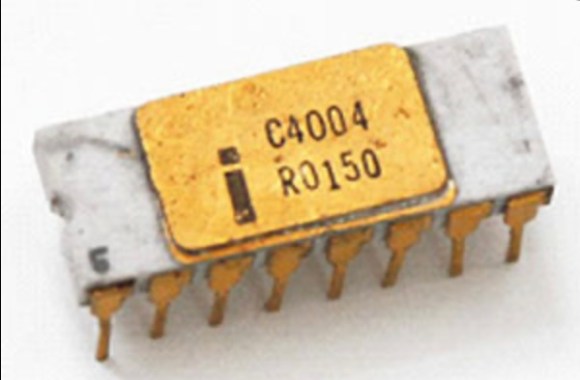
All this would slowly begin to change with the invention of the microprocessor by Intel and its release to the world in 1971.
 Musings by Butch